About
I spent 20 years making sure airplanes didn’t fail. Now I apply the same standard to how I invest, and to how I ask you to invest.

Why I left Boeing
I spent over 20 years in aerospace. I designed wing structure for the 787 Dreamliner. Later I managed a $120M military aircraft modification program. My job, every day, was finding failure points before they became failures.
Then one night I was sitting in a conference room at 7 PM, watching colleagues compete in what I started calling the Grind Olympics: bragging about 70-hour weeks, planning two-year vacations they’d take once they finally retired. I realized I was winning the wrong race.
I’d mastered identifying failure points in aircraft. Somehow I’d missed the most critical design flaw of all: my own financial blueprint.
In 2018 I bought my first real estate deal, a duplex in Milwaukee. It turned into a disaster. The property was being operated as an illegal Alzheimer’s facility, and I lost $30,000 finding that out.
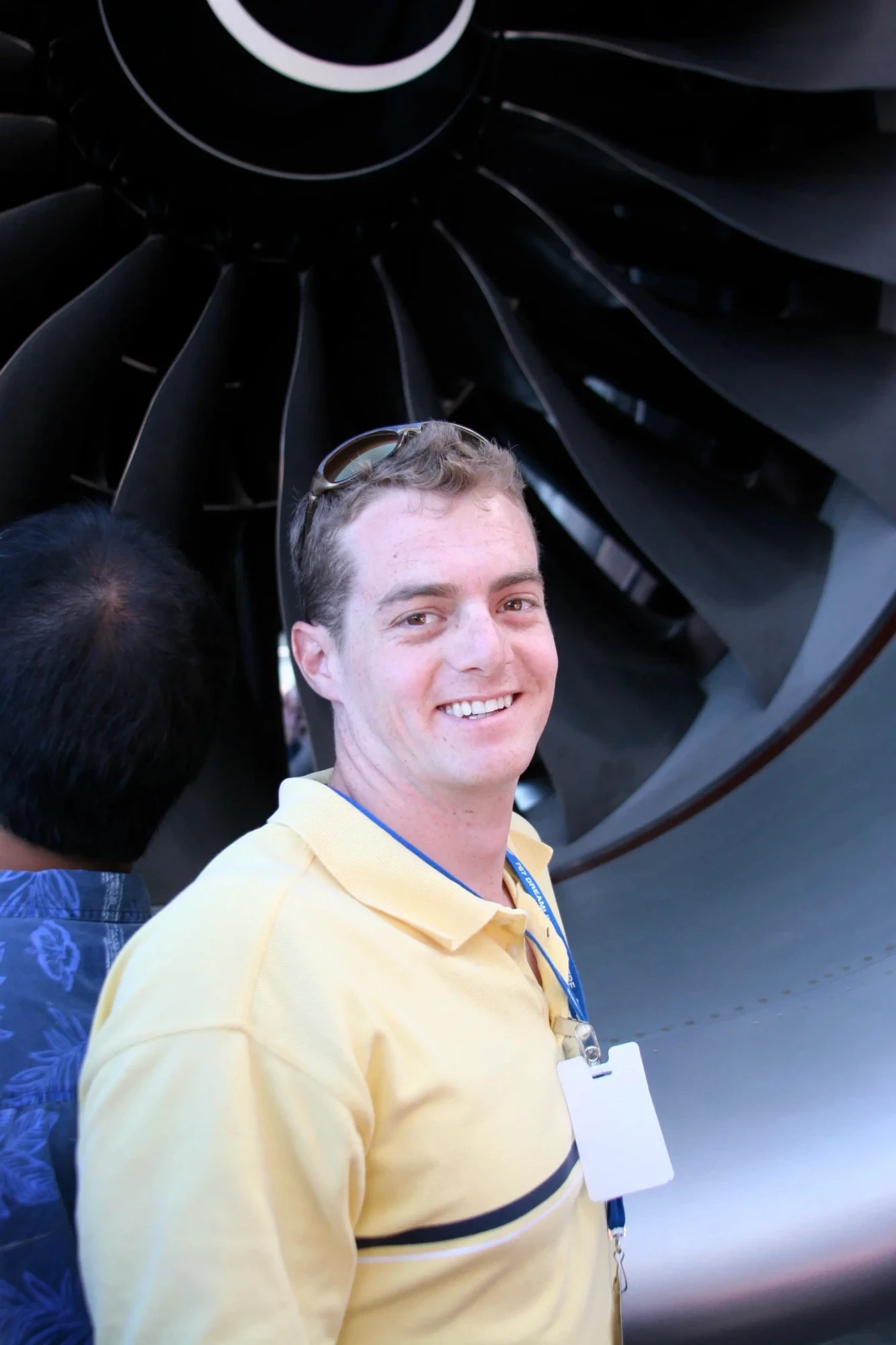
787 Dreamliner rollout, 2007.
I pivoted. I became a passive investor in syndications in 2020, learning how the institutional side of real estate actually works. I became a general partner in 2022. I founded Vestus Capital to bring that same institutional access, and the same engineering-grade scrutiny, to other engineers and technical professionals who don’t have time to learn this the hard way.
How we operate
Vestus doesn’t operate the properties we invest in. We’re the architects: we source the deals, underwrite them the way I was trained to stress-test a structure, and co-invest alongside operators who have already proven they can execute. That’s the job: handle the diligence so you can stay focused on your career and your family, not on becoming a landlord.
Conservative underwriting
We underwrite to downside cases, not to sponsor projections.
Fixed-rate debt, low leverage
60% loan-to-value or lower, wherever we can get it.
Education before commitment
You should understand exactly what you’re investing in. If you don’t, that’s on us to fix, not on you to just trust.
Quick facts
20+ years as an aerospace engineer at Boeing
Designed wing structure for the 787 Dreamliner
Managed a $120M military aircraft modification program
Passive investor (LP) in syndications since 2020
General partner (GP) since 2022
Founder of Vestus Capital
Questions
What is an accredited investor?
+
The SEC generally considers you accredited if you earned more than $200,000 in each of the last two years ($300,000 with a spouse or spousal equivalent) and expect the same this year, or if your net worth is over $1 million, not counting your primary home. Holding a Series 7, 65, or 82 license also qualifies. More detail: What It Means to Be an Accredited Investor.
How do I get started?
+
Start with a conversation. Schedule an intro call and we’ll talk about your goals and whether our investments fit them. If you’d rather learn first, browse the blog, educational videos, and the free Engineer’s Investing Toolkit.
Can I invest with my retirement account?
+
Yes. You can invest through a self-directed IRA with an independent custodian, or through a self-directed Solo 401(k) if you have self-employment income. Each has different rules and tax considerations. See Investing in Real Estate Syndications With a Solo 401(k) and Navigating UBIT With Self-Directed IRAs. ---
No pressure, no pitch. Just a conversation about what you’re trying to build and whether Vestus is a fit.